Meili Snow Mountain Kora: Immerse in Tibetan Culture and Natural Beauty

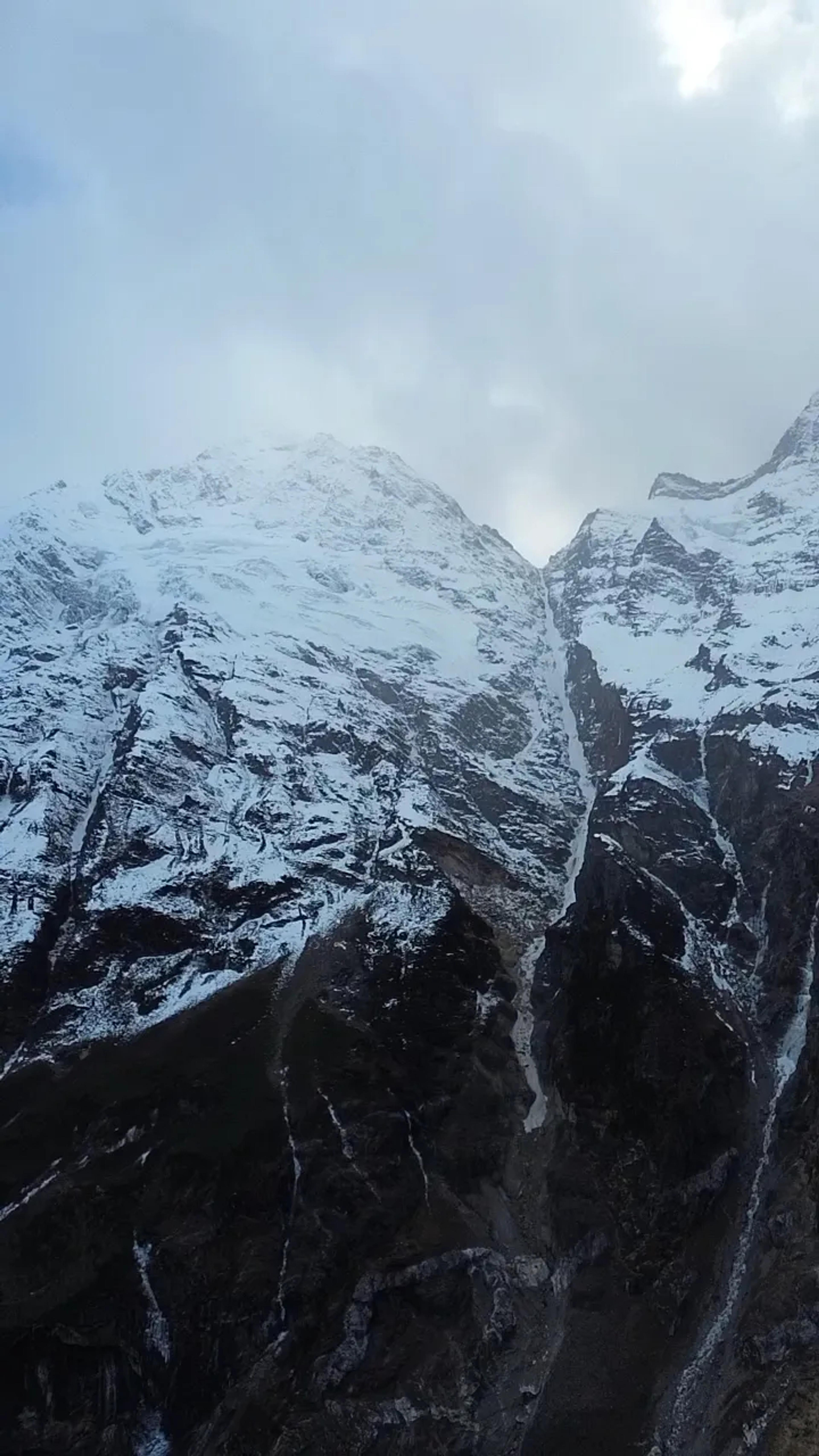
Situated in Diqing Tibetan Autonomous Prefecture, Yunnan, Meili Snow Mountain is a sacred site for Tibetan Buddhism. Following the kora (pilgrimage) route, hikers enjoy panoramic views of glaciers, canyons, waterfalls, and primeval forests. With moderate difficulty, it’s ideal for novice outdoor enthusiasts. The best hiking periods are April to June and September to November.
Heaven to the Left, Yubeng to the Right
About Yubeng Village
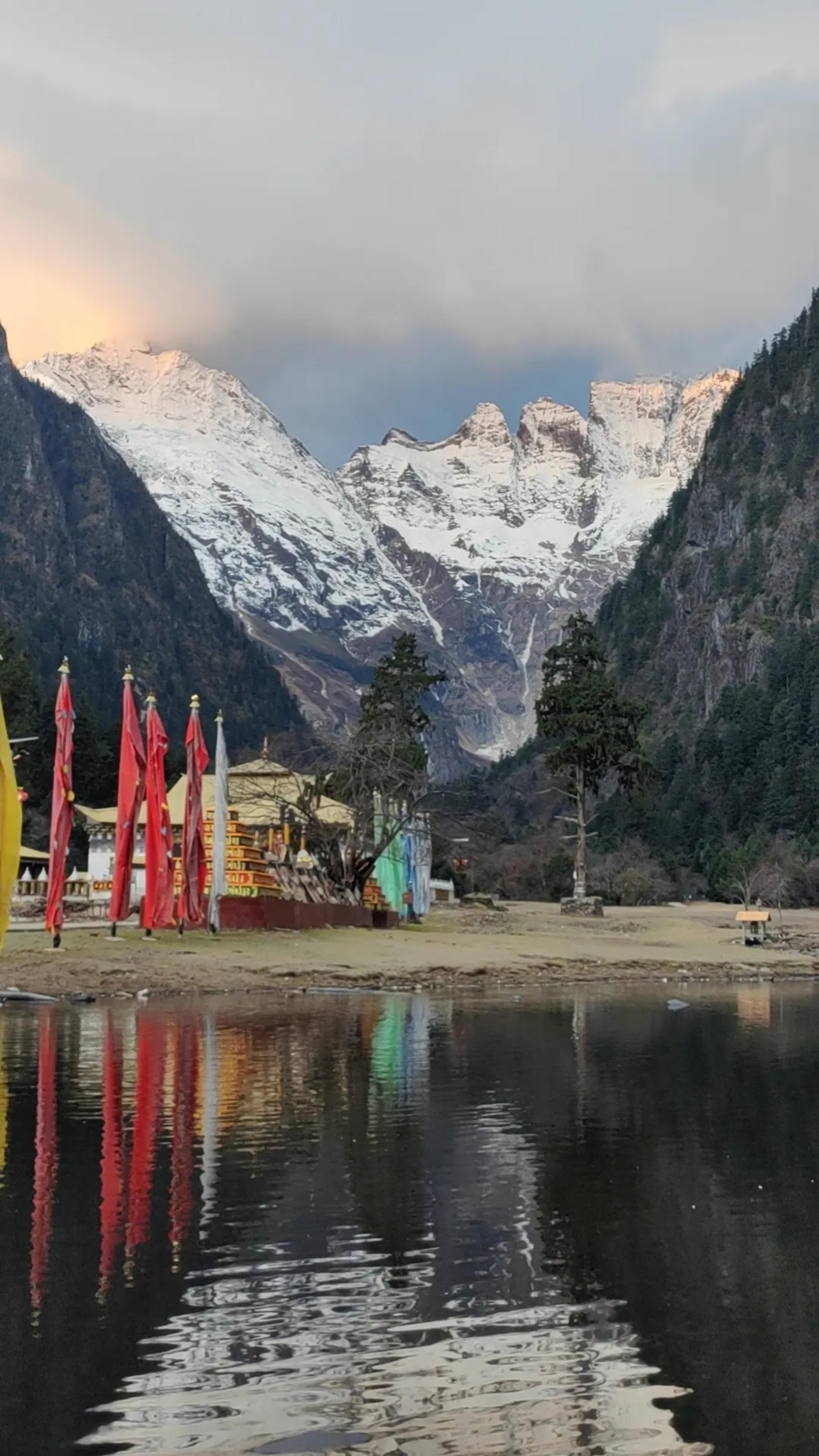
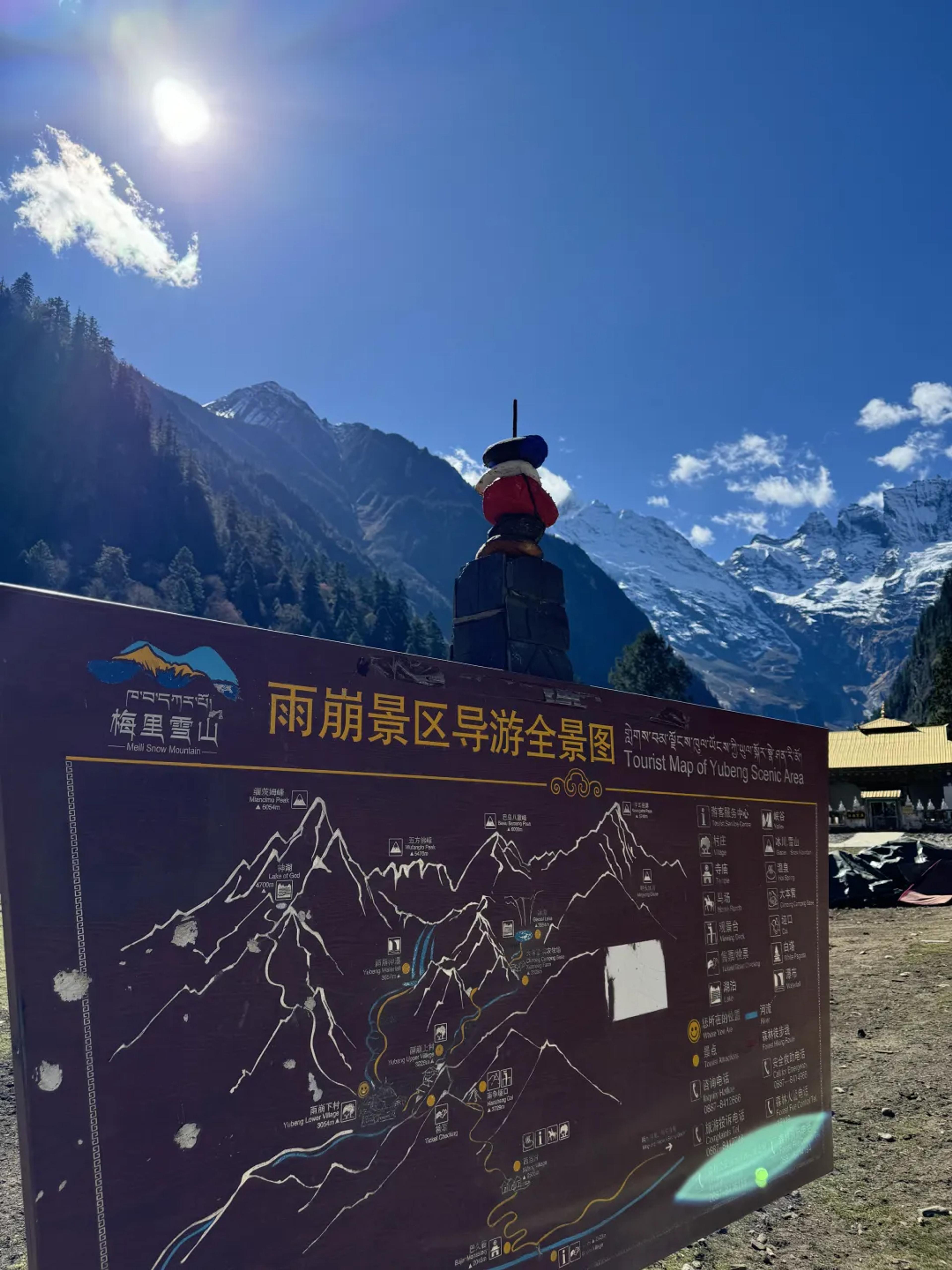
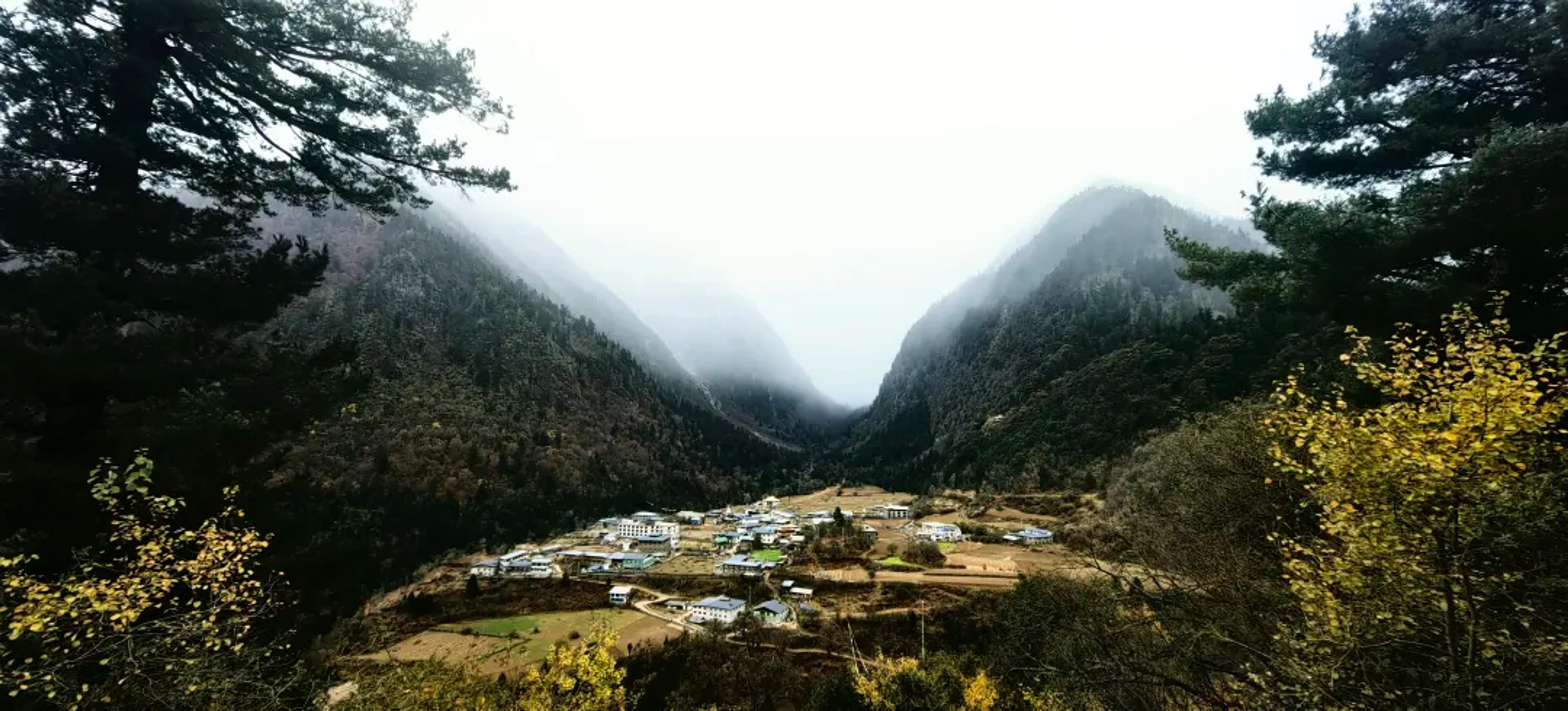
Yubeng Village is located under the administration of Xidang Village, Yunling Township, Deqin County, Diqing Tibetan Autonomous Prefecture, Yunnan Province. Recognized as a traditional Chinese village, it sits in the heart of Meili Snow Mountain National Park, at the foot of the sacred Goddess Peak among the Thirteen Peaks of Meili. It lies 60 km from Shengping Town, the county seat, and about 10 km from Xidang Village Committee, covering an area of 31 km².
Yubeng is divided into Upper and Lower Yubeng and is the highest natural village in the Meili region, with an average elevation above 3,200 m. It is surrounded by Sacred Lake Mountain, Xiuxing Mountain, Bendun Mountain, and Nianda Baisong Mountain, with the sacred peaks of Miancimu, Kawarandza, and Kawagebo enclosing the outer ring. Located in the southern section of the eastern Himalayas, the village has a plateau humid climate, featuring distinct rainy and dry seasons.
Situated at the junction of Sichuan, Yunnan, and Tibet, Yubeng lies within the core area of the UNESCO World Natural Heritage site “Three Parallel Rivers” and the Greater Shangri-La Loop. It is regarded as the essence of Meili Snow Mountain tourism, known for its glaciers, pastoral scenery, and mysterious traditional culture. Yubeng is a classic representation of Tibetan sacred mountain culture and a paradise for trekking enthusiasts, with attractions such as Yubeng Monastery, the Sacred Waterfall, and the Ice Lake.
Yubeng Village was listed among the second batch of China’s Traditional Villages in August 2013.
Trip Overview
Detailed Itinerary
Day 1: Lijiang — First Bend of the Jinsha River — Baima Snow Mountain — Deqin
Meet and depart from the designated pick-up point in Lijiang at around 8:30 AM (Lijiang Old Town South Gate parking lot). We first pass Shangri-La.
If joining from Shangri-La, meet at the North Gate of Dukezong Old Town around 12:00 PM.
Lunch can be arranged in Shangri-La or Benzilan by the Jinsha River. Afterward, enjoy the scenery of the First Bend of the Jinsha River and drive through the heart of Baima Snow Mountain. Entering the embrace of Meili Snow Mountain, you will see magnificent mountain views en route. Arrive in Deqin and check in.
Transportation: Included
Accommodation: Comfortable hotel in Deqin (included)
Meals: On your own or shared AA
Distance: ~350 km, 6–7 hours
Elevation: ~3,500 m
Note:
Due to limited lodging quality and high food prices in Feilai Temple village, we stay in Deqin instead, where meals and accommodations are better. Baima Snow Mountain may be bypassed in winter or if the road is closed.
Day 2: Feilai Temple Sunrise — Deqin — Ninong Grand Canyon — Upper Yubeng
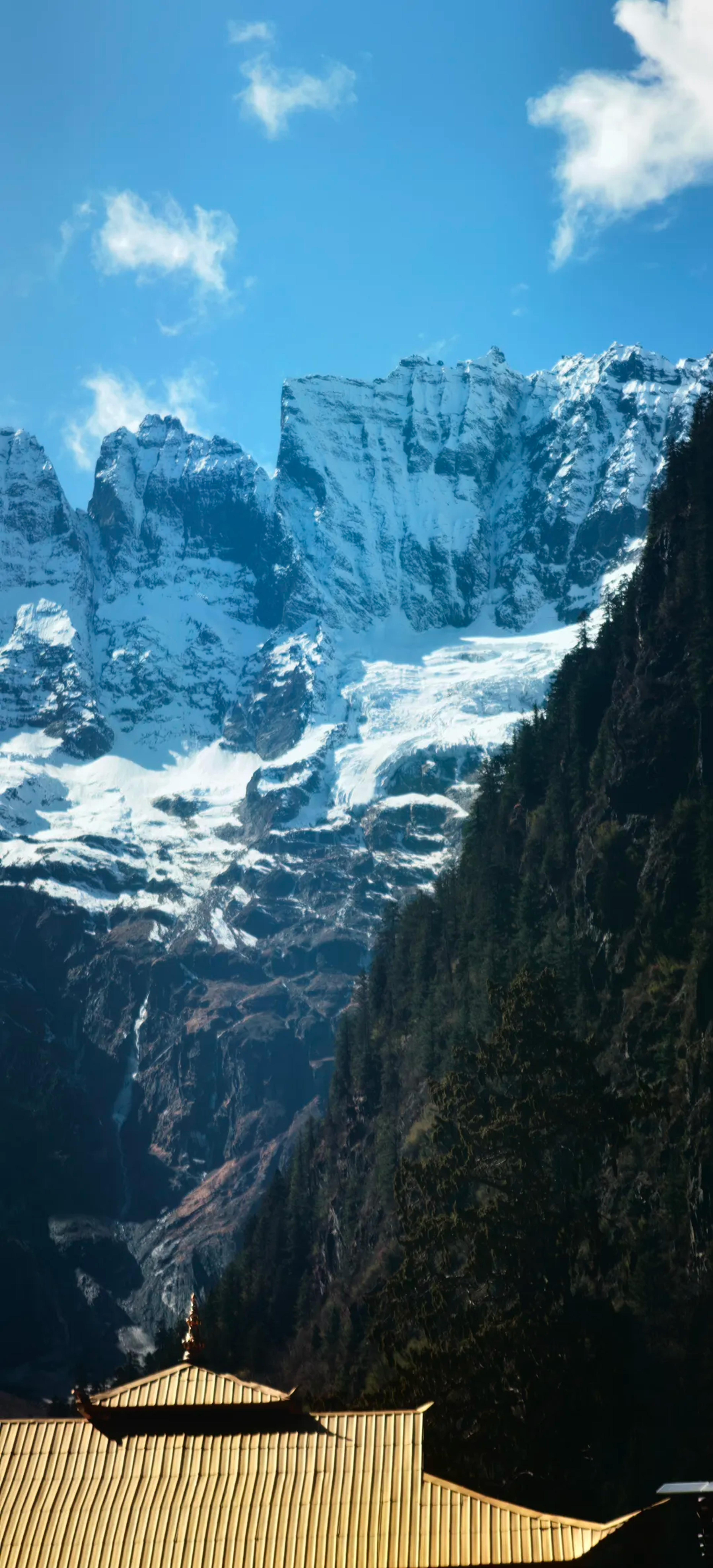
Wake up around 6:30 AM and drive to Wunongding or Feilai Temple to watch the sunrise. With good weather, you may witness the golden sunlight on Meili Snow Mountain, the General Peak, and Miancimu.
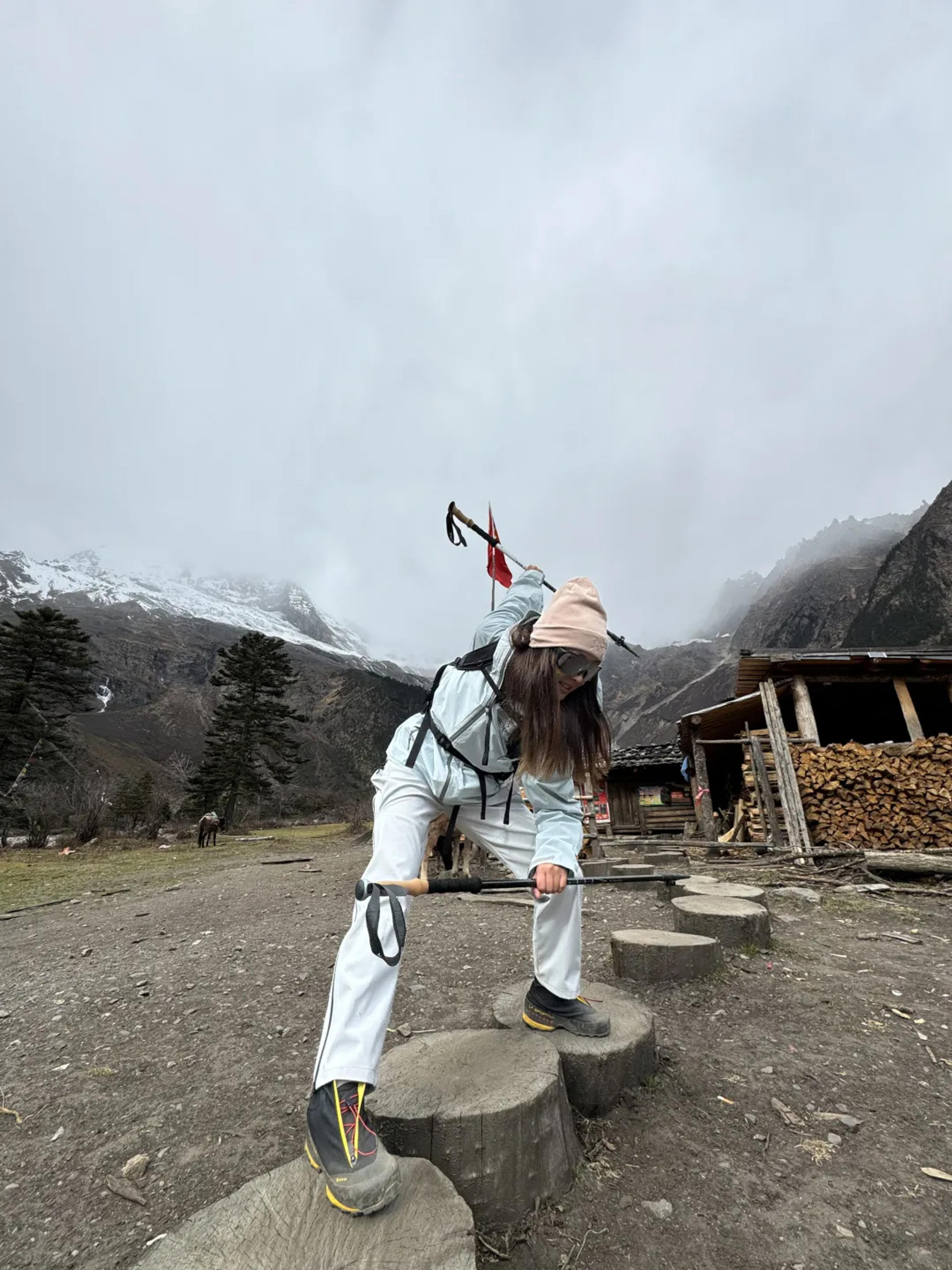
Return to Deqin for breakfast, then drive to Ninong Canyon trailhead to begin trekking toward Yubeng. The trail follows steep cliffs of the canyon—an ancient path carved by early inhabitants. After about 3 hours of hiking, reach the midway supply point for rest and lunch. Continue hiking to Upper Yubeng, enjoy picturesque mountain scenery along the way, and check into the guesthouse.
Accommodation: Guesthouse in Upper Yubeng
Meals: On your own or shared AA; bring your own lunch
Driving Distance: ~50 km, 1.5 hours
Hiking Distance: ~14 km, 5–7 hours
Elevation: ~3,050 m
Ascent: ~1,270 m from Ninong trailhead to Upper Yubeng
Notes:
- Sunrise schedule varies with seasons.
- No pickup trucks or motorbike rides available anymore — full trekking only.
Day 3: Upper Yubeng — Xiaonong Base Camp — Ice Lake — Upper Yubeng
Wake at 7:30, breakfast at 8:00, and begin trekking around 8:30 AM. Carry only essentials; leave unnecessary items at the guesthouse.
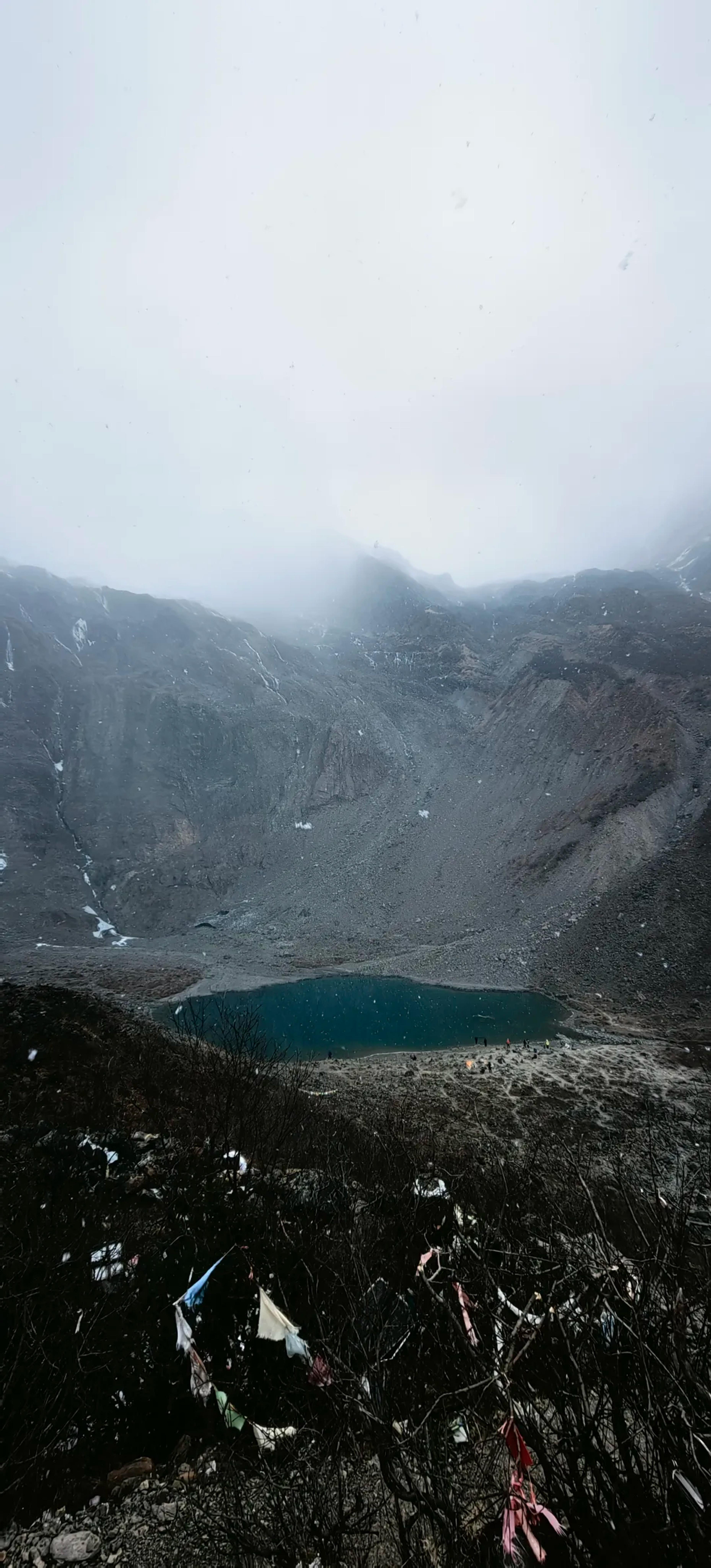
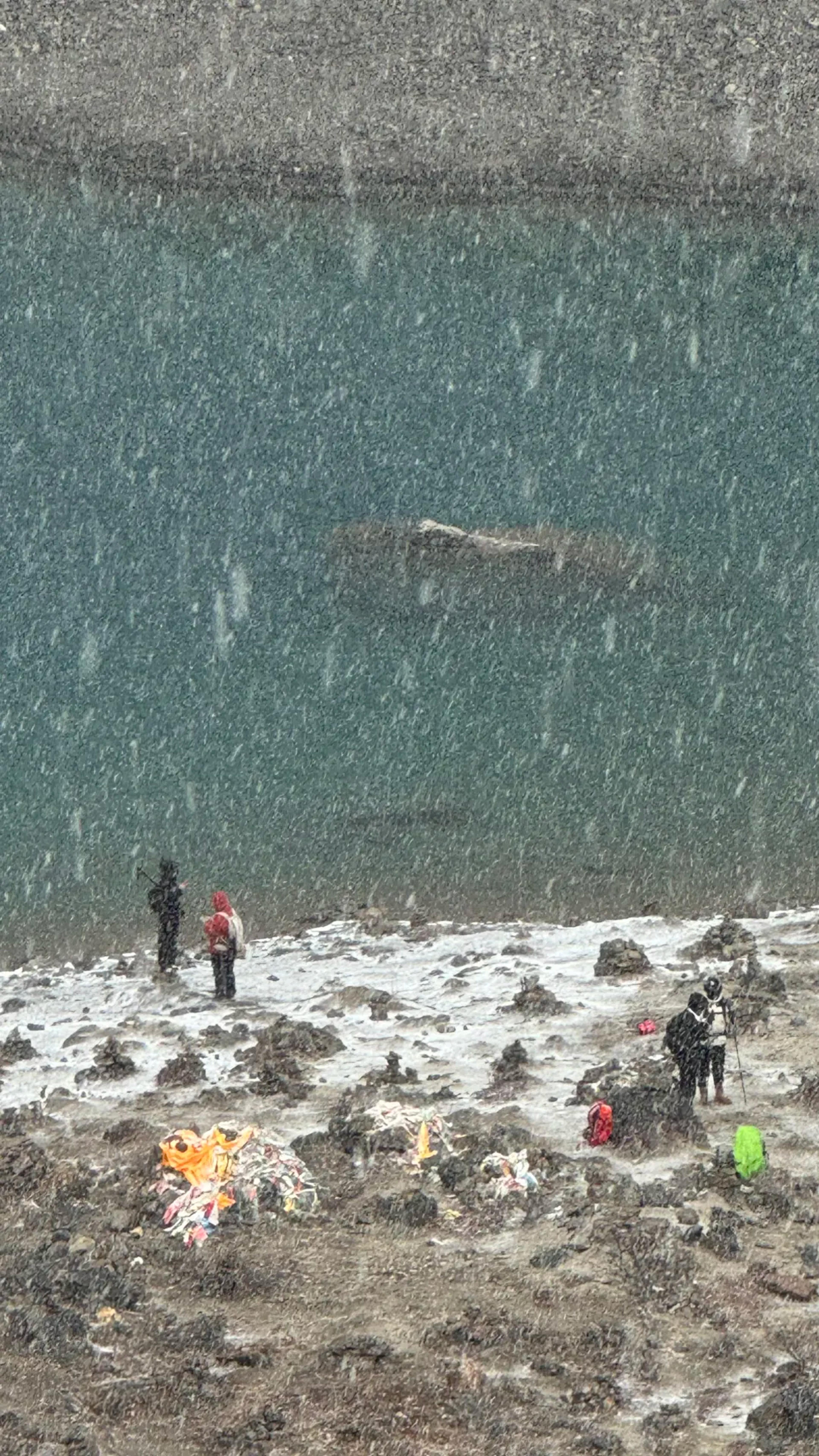
Hike through high-altitude forests and rhododendron zones. After nearly 2 hours, cross the 3,900 m Shang Nazongla Pass and descend into the river valley, passing through pristine pine forest to Xiaonong Base Camp. Rest, then continue to Ice Lake — a serene alpine lake surrounded by dramatic peaks. Explore and take photos before returning via the same route to Upper Yubeng.
Accommodation: Guesthouse in Upper Yubeng
Meals: On your own; bring your own lunch
Hiking Distance: ~14 km, 6–8 hours
Elevation: Yubeng ~3,050 m; Ice Lake ~3,800 m
Ascent: ~700 m
Notes:
– High-altitude trekking can be strenuous. Go at your own pace, stay warm, adjust layers, and watch for safety.
– We only go to Ice Lake, not to the Sacred Lake. Sacred Lake is an unmarked, illegal, high-risk route prone to avalanches and is not part of the itinerary.
Day 4: Upper Yubeng — Lower Yubeng — Sacred Waterfall — Ninong — Deqin — Benzilan — Shangri-La
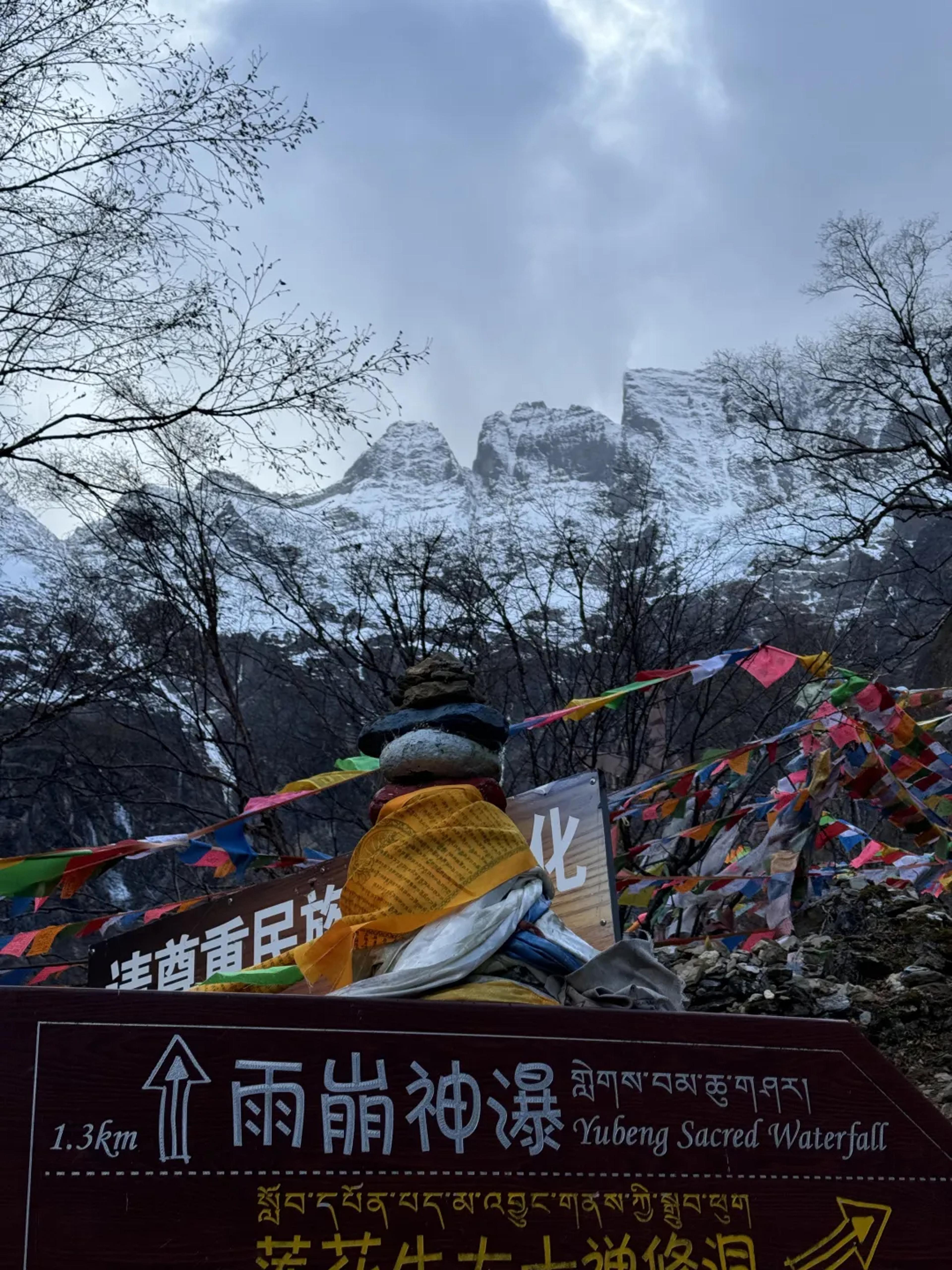
Wake at 6:00, breakfast at 6:30, then hike to the pond near the monastery in Lower Yubeng for sunrise (possible golden glow on the peaks). Continue trekking to the Sacred Waterfall, passing forests and alpine meadows. Here you can view Miancimu and the General Peak and take part in the spiritual cleansing ritual.
Return to Lower Yubeng and take the included pickup truck to the midway supply point. After resting and having lunch, descend back to the Ninong trailhead. Drive back to Shangri-La, where the trip ends.
Accommodation: Shangri-La (not included)
Transportation: Ninong to Shangri-La included
Meals: Dinner included (Benzilan or Shangri-La); bring your own lunch
Hiking Distance: ~20 km, 6–8 hours
Driving Distance: ~350 km, ~6 hours
Elevation: Sacred Waterfall ~3,600 m
Ascent: ~600 m from Lower Yubeng
Notes:
Arrival in Shangri-La is generally between 7–8 PM but depends on trail pace and road conditions.
If time is tight, stay overnight in Shangri-La and take the morning train to Lijiang.
With spare days, consider exploring Shangri-La further (Dukezong Old Town, Songzanlin Monastery, Napa Lake, Pudacuo National Park).
Important Notes
Environmental Responsibility
Protect nature. Do not litter or discard cigarette butts. Take your trash with you.
Respect local customs and wildlife.
We encourage picking up litter along the way.
Recommended Gear
- Backpack: 20–35 L
- Clothing: Shell jacket and pants, fleece layers, thermal base layers, down jacket (season-dependent)
- Footwear: Mid/high-cut waterproof hiking boots (No new shoes, heels, or slippers)
- Headgear: Quick-dry cap, warm hat, buff
- Accessories: Warm gloves, sunglasses (UV protection), lip balm, SPF 50 sunscreen, 500 ml thermos, electrolyte drinks
Trekking poles provided. Snacks/lunch can be purchased at supply points or village shops.
Book this trip →